The Rock Garden of the Ohio State Reformatory
By Rebecca McKinnell Archivist/Historian
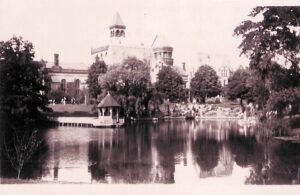
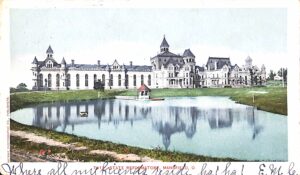
As part of an effort to present the Reformatory as a positive presence in the Mansfield area, its grounds became something like an additional community park. But the person who truly made those grounds memorable was an inmate named Emil “Frenchy” Balanescu. Frenchy arrived at the Ohio State Reformatory in 1927 after being convicted of murdering his girlfriend, Dorothy, though his story was far more complicated than the charge alone suggests. Deeply in love with her, he had given Dorothy flowers, candies, and “love pills” with natural but questionable ingredients. Frenchy took Dorothy to the hospital, then left. He was later arrested and sentenced to 20 years. For the rest of his life, he maintained that he had not murdered her, and he even kept a small shrine to her in his cell.
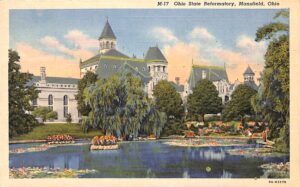
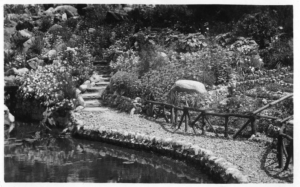
It is unclear whether Frenchy or the administration first imagined a rock garden around the pond, but as a model inmate, Frenchy was placed in charge of the project. Though he had no formal training in landscaping, he transformed the area into an impressive garden, complete with “observatories finished with rustic rails ,built-up walks along the water’s edge, round bed in the water, steps to imaginary bridge and a cleverly designed cascade” and a miniature mill. Work began on Sept. 20, 1930, and by June 1932, the garden had become a genuine attraction. Filled with flowers from the Reformatory greenhouses, it offered continual blooms of delphiniums, Shasta daisies, phlox, coreopsis, and other annuals. Frenchy, dressed in white duck pants, a white shirt, and a cap, often walked the grounds explaining the flowers to visitors who came not only from Mansfield, but from across the country. His gardens even appeared on postcards.
When Frenchy became eligible for parole, he refused it, believing that accepting parole would amount to admitting guilt. He was later permitted to visit his gravely ill mother in the hospital, but afterward, the Reformatory would not allow him to return. Frenchy remained in the Mansfield area and built a career as a landscaper for some of the city’s wealthiest residents. Bill McCarrick, one of the Reformatory’s first trustees, even worked for Frenchy while in high school, earning 30 cents an hour.
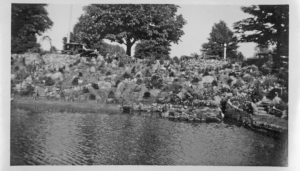
Whether Frenchy created the garden for himself, for the institution, or as a tribute to the woman he said he loved is still unknown. What remains clear is that parts of his work can still be seen around the pond today. Perhaps one day, MRPS can bring Frenchy’s garden back to life beside the prison.

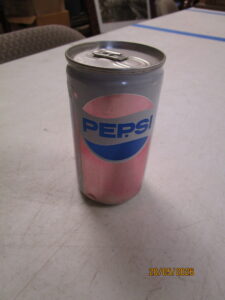
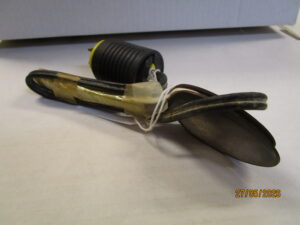
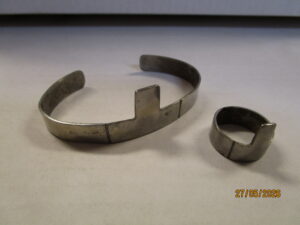
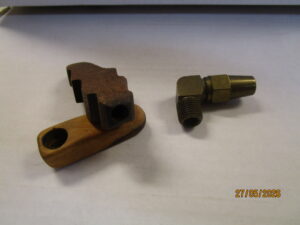
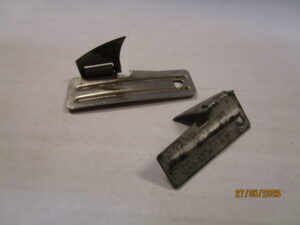

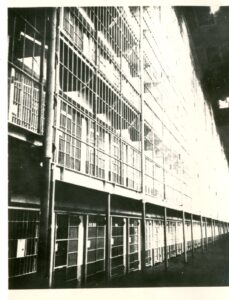 In the early days of recording oral histories at the Ohio State Reformatory, one interview stood out for the way it captured the mix of routine duties, sudden violence, and human irony that surrounded the prison. The storyteller was Ohio State Trooper Bob Shetler, who spent time at the Reformatory working with men preparing to return to life on the outside.



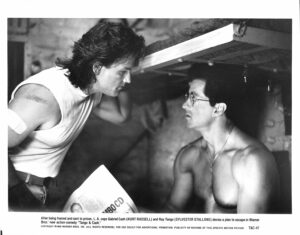
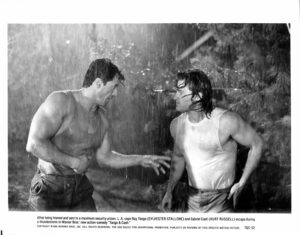 filmed here was Tango & Cash in 1988, starring Sylvester Stallone and Kurt Russell. Filming took place while the Reformatory was still an active prison, with inmates continuing their daily routines. Guards served as extras, and several staff members used personal or vacation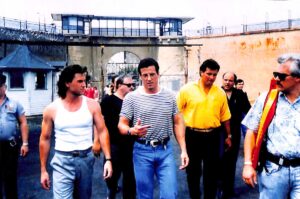
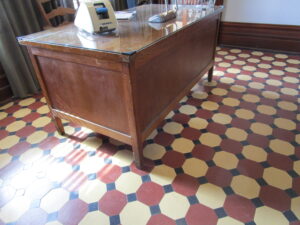
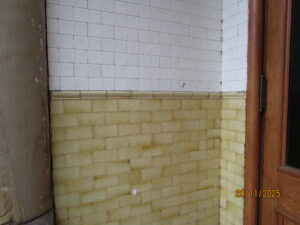
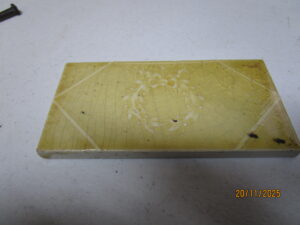
 An inmate once shared with me that he didn’t realize The Shawshank Redemption had been filmed at OSR until he saw the floor tiles. Zanesville still maintains pottery and stoneware production, though not at its 19th-century level. These floor tiles are a lasting link between Mansfield and Zanesville, still greeting OSR visitors every day.

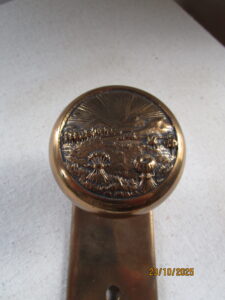
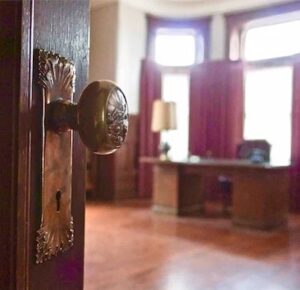
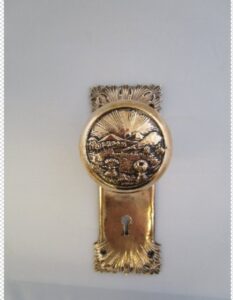
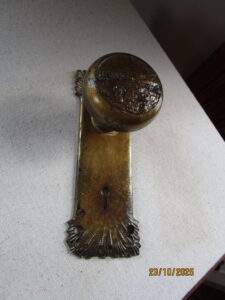
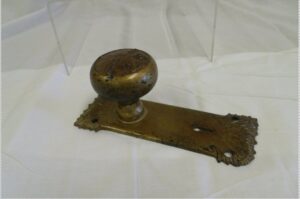
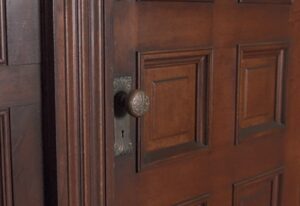 They were also an attractive to steal ironically in a prison. Through oral histories, I’ve been told that both inmates and guards would steal the knobs to be sold and melted down for the brass. It might be more be easier to believe a guard may have taken them only because of easier access but in a prison, one never knows! By the 1960’s, a psychologist working at OSR told me he saw guards being sent around the administrative areas removing the doorknobs for safekeeping. The doorknobs and face plates were put into boxes and ended up at ManCi after OSR closed.