By Becky McKinnell, Archivist/Historian
 In the early days of recording oral histories at the Ohio State Reformatory, one interview stood out for the way it captured the mix of routine duties, sudden violence, and human irony that surrounded the prison. The storyteller was Ohio State Trooper Bob Shetler, who spent time at the Reformatory working with men preparing to return to life on the outside.
Shetler’s assignment was “Pre-Release,” where he briefed inmates nearing parole on current laws—especially the ones that had changed during long sentences. The first time he faced a room full of skeptical men, he could feel the tension. So he started talking about something he knew would cut through it: racing his Harley-Davidson. The topic did what policy and procedure could not; the room relaxed, and the conversation opened up.
But his time at the Reformatory was not limited to classroom-style talks. He also responded when serious crime happened inside the walls. Because the prison was state property, Ohio State Troopers handled incidents that did not fall under Mansfield Police jurisdiction. In one case, Shetler helped investigate a killing in the prisoners’ barbershop: an inmate slit another man’s throat. The victim made it into the yard before collapsing, and Shetler measured the blood trail left behind.
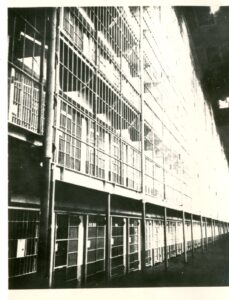
What stayed with him most, though, was the strange way the Reformatory could collapse a lifetime into a single moment. As children, Shetler and his brother always played the cops while two cousins played the robbers. As adults, Shetler became a state trooper and his brother a sheriff. Then, during a visit to the east wing, Shetler walked along the 4th tier and heard his name called from below. It was one of those cousins—now incarcerated there. He soon learned the other cousin was inside as well, turning a childhood game into an unforgettable real-life reunion.


