By Rebecca McKinnell Archivist/Historian
In my 12 years as an archivist, one thing has remained true: I am still surprised by what turns up. Just when I think I have seen it all, I come across an object or story that is completely new to me—and sometimes those discoveries raise even more questions than they answer.
That happened recently while I was sorting through a box of items donated by the family of a corrections officer. The box held more than 80 objects, many of them confiscated from inmates, so I expected to find interesting pieces. What I did not expect were the few surprises tucked among them.
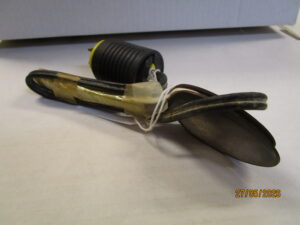
One of the most interesting was a stinger. Inmates made stingers as a quick way to heat water for instant coffee or cocoa bought through the commissary. I had seen them before, but this one was the most elaborate example I had come across, complete with a commercial plug and multiple spoons.
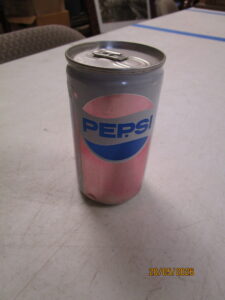
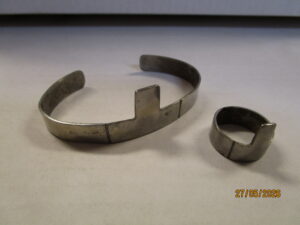
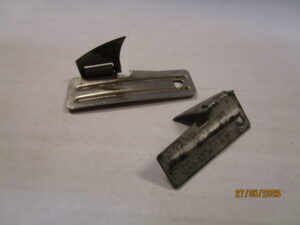
Inmate creativity showed up in other ways as well. The box included handmade jewelry—a bracelet and a matching ring—and, of course, those kinds of items had to be hidden somewhere. An ordinary Pepsi can made a clever hiding place for contraband. There was also a “John Wayne,” a small portable can opener used in the military. It was easy to imagine how something like that could become a valuable item in prison, whether for opening cans or for other uses.
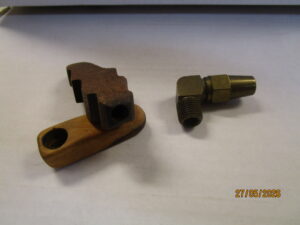
Three objects in particular sent me down a research path: prison smoking pipes. Two were carved and stained pieces of wood, with suspicious holes at the ends that made me wonder what I was looking at. Once I uncovered their purpose, the third object—a brass pipe elbow—suddenly made perfect sense as another example of the same kind of pipe. Moments like that are part of what makes archival work so fascinating. Every object has a story, even if it takes a little digging to uncover it.


